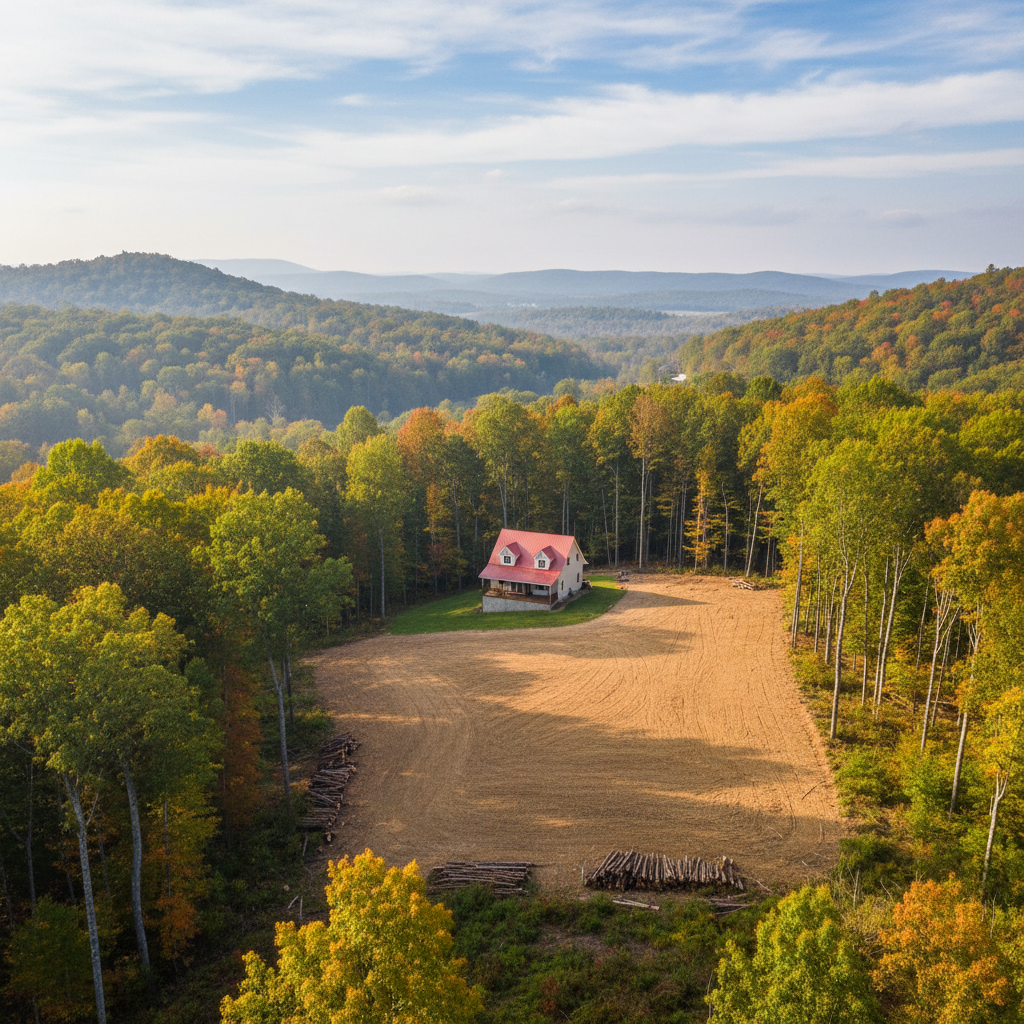
When's the best time to clear land here in Morgantown? That's a question I hear a lot, especially from folks who've just bought a piece of property or are gearing up for a big construction project. You might think it doesn't really matter, but believe me, the seasons and our local weather play a huge role in how smoothly and efficiently the job gets done – and, honestly, how much it ends up costing you.
When to Schedule Your Land Clearing Project
Look, you can clear land pretty much any time of year. But some seasons are definitely better than others, each for its own reasons. There's no single right answer, so let's break it down.
Winter (December - February): This is often my personal favorite time for land clearing. Why? Well, a few things. First, most trees have dropped their leaves, which makes it way easier to see exactly what needs to go. We're not fighting through thick foliage, you know? Second, the ground is often frozen solid, especially up on those higher elevations around Cheat Lake. This means our heavy equipment leaves less of a footprint, causing less disturbance to the soil and the surrounding areas. Less mud, less rutting – always a win. It's also typically a slower season for us, so you might find we have more flexibility in scheduling.
Spring (March - May): Spring can be a bit tricky. We get a lot of rain here in Morgantown during these months, and that means mud. A whole lot of it. Wet, soft ground makes everything harder and can really tear up a site. It also ramps up the risk of soil erosion, which is something we always want to avoid. If you absolutely have to clear land in spring, we'll need to be extra careful about site access and managing runoff. It's totally doable, but often more of a challenge.
Summer (June - August): Summer's usually pretty busy, but it can be a good time for clearing if it stays dry. The ground is firm, and visibility is still good, though the heat can be tough on both our crews and the equipment. The biggest downside? Everything's in full bloom. If you're trying to identify specific trees or clear out invasive species, it can be a bit harder to tell them apart from desirable plants when everything's green and lush.
Fall (September - November): Fall is another excellent window. Just like winter, leaves are falling, which really helps with visibility. The ground is often drier than in spring, and temperatures are usually quite comfortable. It's a real sweet spot before the deep freeze and heavy snows hit. If you're thinking about building in the spring, getting your land cleared in the fall gives the site plenty of time to settle over winter.
Weather Conditions and Your Project
Beyond just the season, daily weather conditions are a huge factor. Heavy rain, high winds, and deep snow can all bring a project to a halt. When the ground is saturated, especially with our clay-heavy soils common in areas like Suncrest, it turns into a bog. That's not just messy; it's dangerous for our crew and can damage your property. High winds are a no-go for felling large trees for obvious safety reasons. We're always watching the forecast closely, and sometimes, we'll have to reschedule to keep everyone safe and to do the job right without tearing up your land.
Keeping Your Investment Healthy Year-Round
Once your land is cleared, your job isn't quite over. You've put in time and money, and you want that cleared space to stay clear and healthy. Here's what you need to think about:
Erosion Control: This is huge, especially on sloped properties. After clearing, the soil is exposed. You'll want to get some kind of ground cover down quickly – whether that's seeding with grass, planting native shrubs, or installing erosion blankets. This prevents soil runoff, which can be a real headache and lead to bigger problems down the line.
Stump Grinding/Removal: If you didn't have stumps removed during the initial clearing, they'll eventually rot, creating trip hazards and attracting pests. Grinding them down or removing them completely is just part of keeping a clean, usable space.
Invasive Species Management: Clearing land can sometimes open up opportunities for invasive plants to take over. Keep an eye out for things like Tree of Heaven or Japanese Knotweed. They're aggressive and can quickly undo all your hard work. Regular monitoring and early intervention are key here.
Regular Maintenance: Depending on what you plan to do with the land, you might need to mow, trim new growth, or even do some light brush clearing periodically. It's kind of like keeping up with your yard, just on a larger scale. A little bit of maintenance goes a long way in preventing it from reverting back to wilderness.
Clearing land is a big undertaking, and getting the timing right can save you a lot of headaches and money. We at Mars Family Tree Service are here to help you plan your project, no matter the season. Give us a call, and we can walk through your specific needs and figure out the best approach for your property.