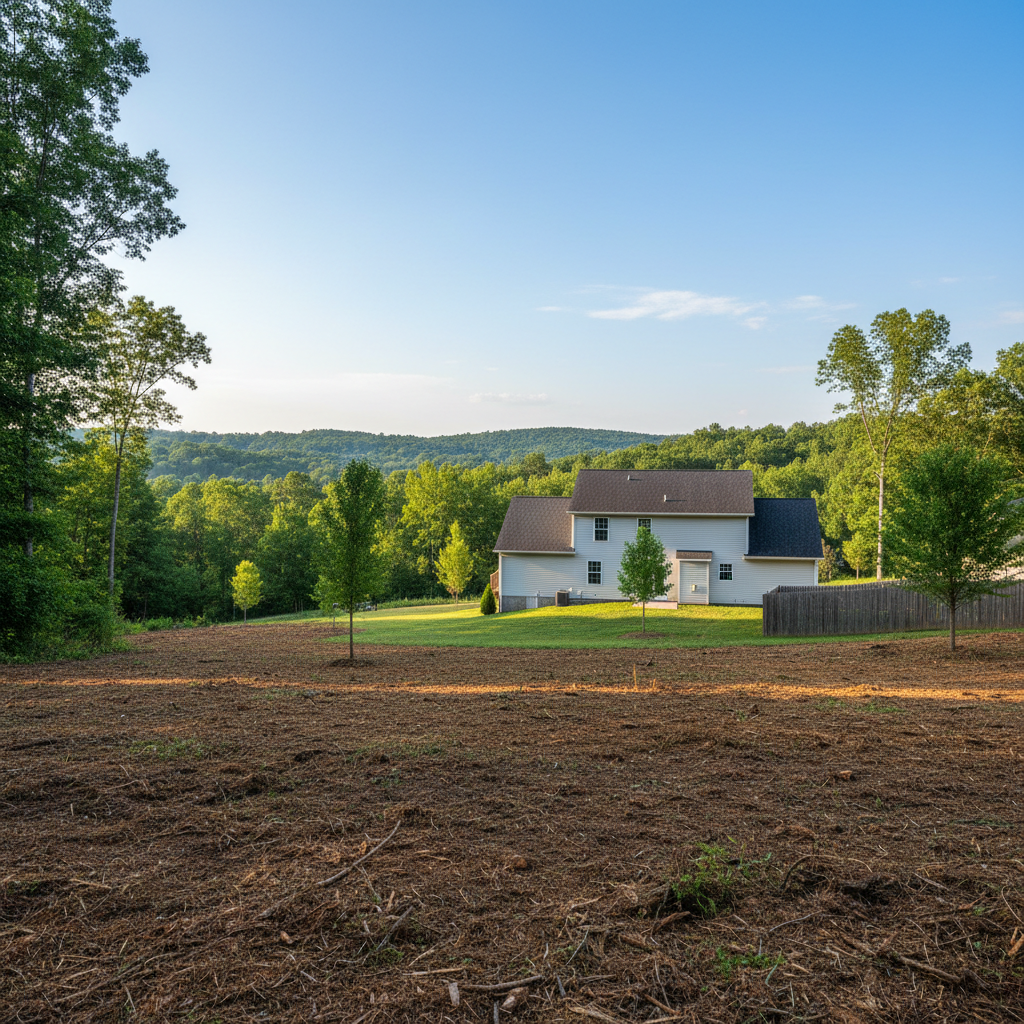
So, you've got a piece of land in Morgantown you're looking to clear. Maybe it's for a new house, a bigger yard, or just to get rid of some overgrown mess. Whatever the reason, it's a bigger job than most folks realize, and you want to do it right. I've seen plenty of these projects, good and bad, and I want to give you the straight scoop on planning yours.
Your Land Clearing Timeline: Don't Rush It
First off, don't expect this to happen overnight. A proper land clearing project, especially if it's a decent size, takes time to plan and execute. Here's a rough timeline you should be thinking about:
- Initial Research & Calls (2-4 weeks): You're doing this part right now! You'll want to call a few contractors, get some initial thoughts, and understand the scope.
- Site Visits & Quotes (2-4 weeks): Once you've narrowed it down, contractors need to come out, see the property, and give you a detailed quote. Good ones are busy, so scheduling takes a bit.
- Permits & Approvals (Varies wildly, 4 weeks to 6+ months): This is often the biggest wildcard. Depending on the size of the area, local ordinances, and if you're near a stream or wetland, you might need permits from the city, county, or even state (like DEP). Don't skip this step. Trust me, fines are way more expensive than permits.
- Scheduling the Work (2-6 weeks out): Once permits are in hand and you've picked your contractor, you'll get on their schedule. Good crews are booked up.
- Actual Clearing Work (Days to Weeks): The physical work itself can be pretty quick once they get started, depending on the acreage and density of growth.
All told, you're looking at a minimum of 2-3 months from your first call to the start of work, and sometimes much longer. Plan ahead, especially if you have a specific construction start date in mind.
What to Expect During the Process
Once the crew shows up, things will move fast, and it's going to look a little chaotic before it looks good. Here's what's typically involved:
- Heavy Equipment: We're talking excavators, bulldozers, skid steers, chippers, and dump trucks. It's loud, dusty, and there will be big machines moving around. Keep kids and pets far away from the work zone.
- Tree & Brush Removal: Trees will be felled, brush will be mulched or piled. We'll be dealing with everything from small saplings to mature oaks that have been growing on those steep Morgantown hillsides for decades.
- Stump Grinding/Removal: Depending on your needs, stumps will either be ground down below grade or completely removed. Stump removal is more invasive and leaves bigger holes.
- Debris Management: How will the cleared material be handled? Chipped on-site and spread? Hauled away? Burned (if permitted and safe)? Make sure this is clear in your contract.
- Grading (Optional): If you need a level pad for a building or a specific slope for drainage, the land will be rough graded. This isn't finish grading for a lawn, but it gets the general shape you need.
It's messy. It's loud. But it's progress. Your contractor should keep you updated on what's happening and when.
How to Prepare Your Property
You can help make the job smoother and potentially save a bit of money by doing some prep work:
- Mark Boundaries: Clearly mark your property lines, especially if they're close to a neighbor's property or an existing structure. You don't want anyone clearing land that isn't yours.
- Identify Keepers: If there are specific trees or features you want to save, mark them clearly with bright tape or paint. Talk through this with your contractor during the site visit.
- Clear Access: Make sure there's a clear path for heavy equipment to get onto the property. If we have to clear a path just to get to the clearing site, that's extra time and cost.
- Utility Lines: Call 811 (Miss Utility) at least a few days before any digging starts. They'll mark public utility lines. You're responsible for knowing about and marking any private lines (like septic, well lines, or buried dog fences).
- Remove Obstacles: Take down old fences, move any garden ornaments, old sheds, or anything else you don't want destroyed.
Questions to Ask Before You Sign That Contract
Picking the right contractor is crucial. Don't just go with the cheapest bid. Ask these questions:
- Are you licensed and insured? This is non-negotiable. Ask for proof of liability insurance and workers' compensation. If they're not insured, you could be on the hook if someone gets hurt or something goes wrong. Mars Family Tree Service is fully licensed and insured, by the way.
- What's included in the quote? Be specific. Does it include stump grinding? Debris removal? Hauling? Rough grading? Permitting assistance? Make sure there are no hidden costs.
- How will you handle debris? Chipping, hauling, burning? What's the plan?
- What's your estimated timeline for the work itself? Once you have permits, how long will the actual clearing take?
- What's your payment schedule? Do they require an upfront deposit? When are progress payments due? What's the final payment trigger?
- Can you provide references? A good contractor will happily give you names and numbers of past clients. Call them!
- What about erosion control? Especially on our steep West Virginia terrain, erosion is a real concern after clearing. What's their plan to minimize it?
- Who handles permits? Will they help you navigate the permit process, or is that entirely on you?
Don't be afraid to ask tough questions. You're investing a lot of money and changing your property significantly. A good contractor will appreciate your thoroughness and be transparent with their answers. Get everything in writing before any work begins.
```