Got a tree on your property that's seen better days? Maybe it's leaning too close to your house, or it's just plain dead. Whatever the reason, you're probably wondering what goes into getting rid of it. I've been in this business a long time, and I've seen folks try all sorts of things. Let's break down what you need to consider before, during, and after a tree removal project here in Morgantown.
Before You Even Think About Cutting
First things first: is this really a DIY job? For most homeowners, the answer is a resounding NO. I'm not trying to drum up business for Mars Family Tree Service here; I'm trying to keep you safe and your property intact. There are a few situations where you might be able to handle it yourself, but they're pretty rare.
- Small Stuff: If it's a sapling, maybe a couple of inches in diameter, and it's nowhere near anything important – like your house, power lines, or your neighbor's prize-winning petunias – you *might* be able to tackle it with a hand saw or a small electric chainsaw. Even then, wear your safety gear: eye protection, gloves, sturdy boots.
- The Danger Zone: Any tree that's taller than you can reach comfortably with a pole saw, or one that's close to structures, utility lines, or has a significant lean, is NOT a DIY project. Seriously, don't risk it. Trees are unpredictable, especially when they're coming down.
- Permits: Believe it or not, sometimes you need a permit to remove a tree, especially if it's a large one or on a property with specific zoning. Always check with the City of Morgantown's planning department first. You don't want to get hit with a fine after all that hard work.
- Underground Utilities: Before you even dig a small hole for a new shrub, you should call 811 to have utility lines marked. This is even more critical when you're dealing with tree roots, which can be surprisingly extensive. You don't want to hit a gas line or an electrical conduit while trying to get a stump out.
During the Removal: Safety First (Always)
Okay, let's say you've assessed the situation and decided it's a job for the pros (smart move!). Or maybe you're one of the few who's got a tiny, safe tree to take down. Here's what happens, or what should happen.
- Professional Equipment: When we come out, we've got the right tools for the job. That means heavy-duty chainsaws, ropes, pulleys, sometimes even cranes for those really big ones. We also have proper safety harnesses, hard hats, chaps, and communication systems. This isn't just about speed; it's about control and safety.
- Planning the Fall: This is crucial. You can't just start cutting. We assess the tree's lean, the wind direction, where the branches will fall, and the clear path for the main trunk. We're looking for the safest direction to bring it down, making sure it won't hit anything valuable. This is where experience really pays off. I've seen trees on steep Morgantown hillsides, like those up in the Suncrest area, behave completely differently than a tree on flat ground. Gravity's a cruel mistress if you don't respect her.
- Controlled Cuts: For larger trees, it's often not one big cut. We'll take it down in sections, starting from the top. This allows us to control the weight and direction of each piece, lowering them safely to the ground.
After the Tree is Down: What's Next?
So, the tree is on the ground. Great! But the job isn't over yet.
- Limb & Trunk Removal: You'll have a lot of wood. If you've hired a professional like Mars Family Tree Service, we'll usually chip the smaller branches and haul away the larger trunk sections. Sometimes folks want to keep the wood for firewood, and we can often cut it into manageable lengths for you.
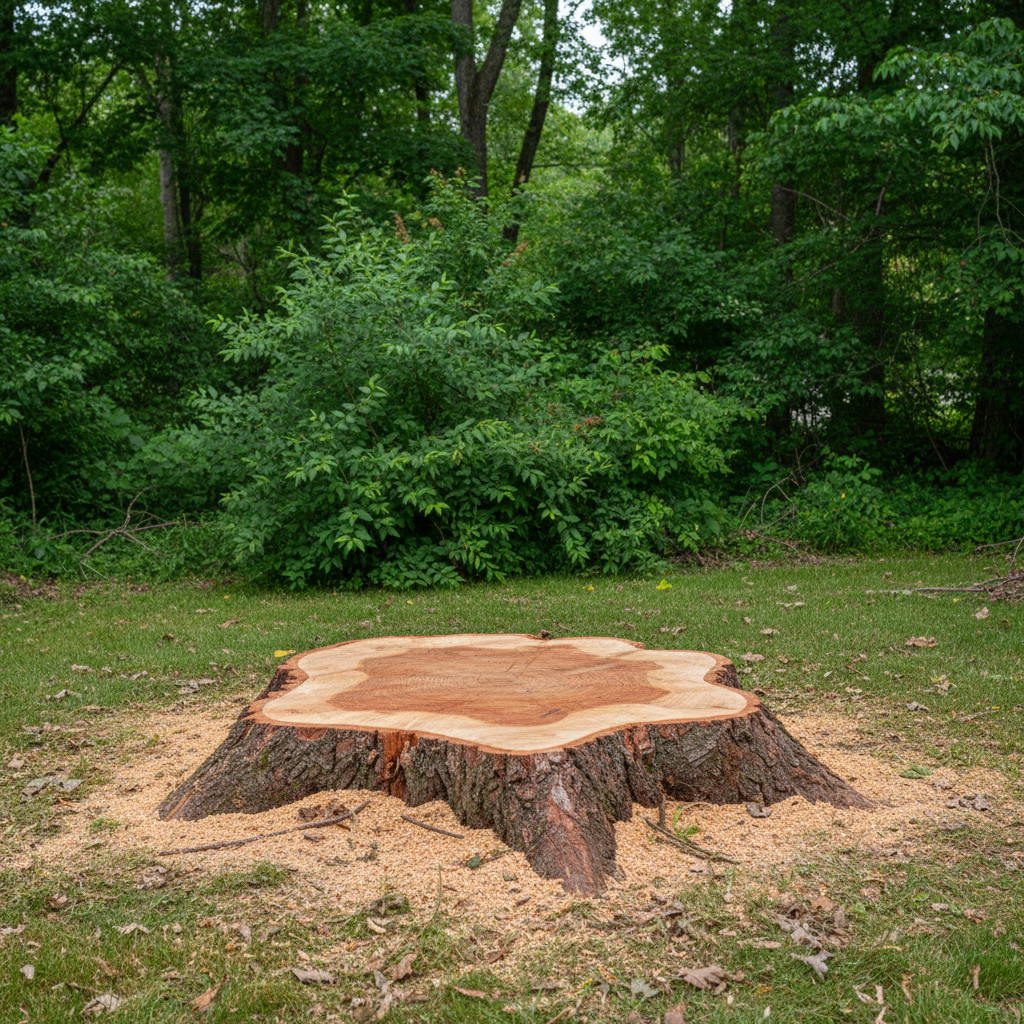
- Stump Grinding: This is often an overlooked part of tree removal. When a tree is cut down, the stump is left behind. You can leave it, but it can be an eyesore, a tripping hazard, and can attract pests. Stump grinding involves using a specialized machine to grind the stump down below ground level. This allows you to plant grass or even another tree over the spot. It's a messy job, but it's the best way to get rid of that leftover obstacle.
- Cleanup: A good tree service will leave your yard cleaner than they found it. That means raking up sawdust, clearing away wood chips, and making sure all debris is removed.
- Soil & Replanting: Once the stump is gone, you might have a big hole. We'll usually backfill it with the grindings and some topsoil. If you're planning to replant, consider what kind of tree will thrive in our local climate and soil conditions. We get a good mix of clay and loam here, so choosing the right species is important for long-term health.
Tree removal isn't just about felling a tree; it's about safety, planning, and proper cleanup. Don't underestimate the power and unpredictability of a falling tree. When in doubt, always call a professional. It's an investment in your safety and the longevity of your property.